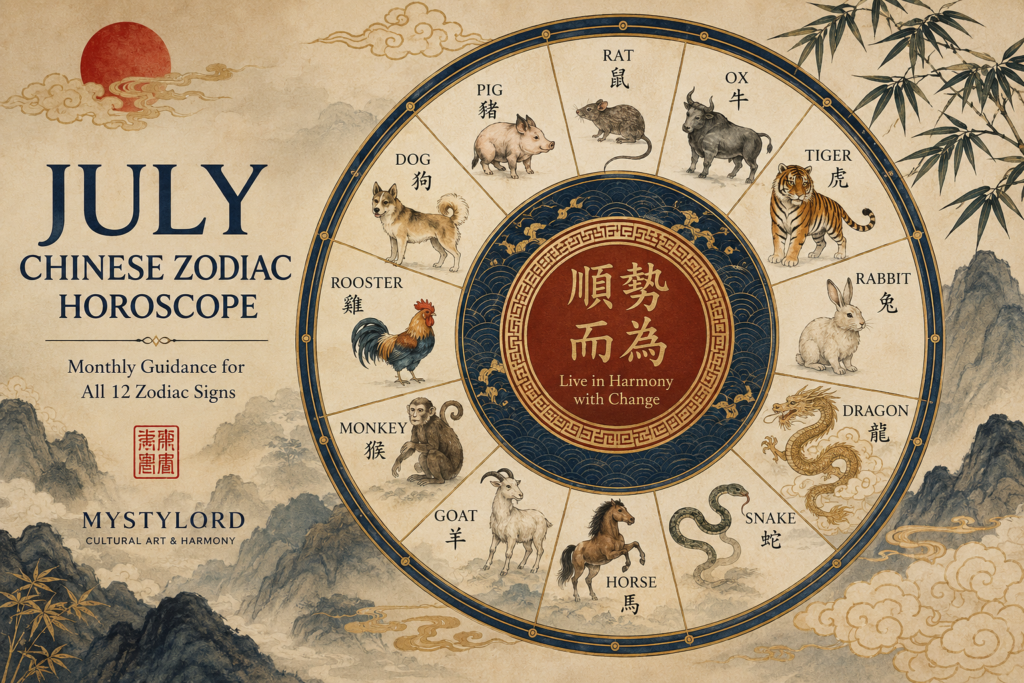
July Chinese Zodiac Horoscope: Monthly Guidance for All 12 Zodiac Signs
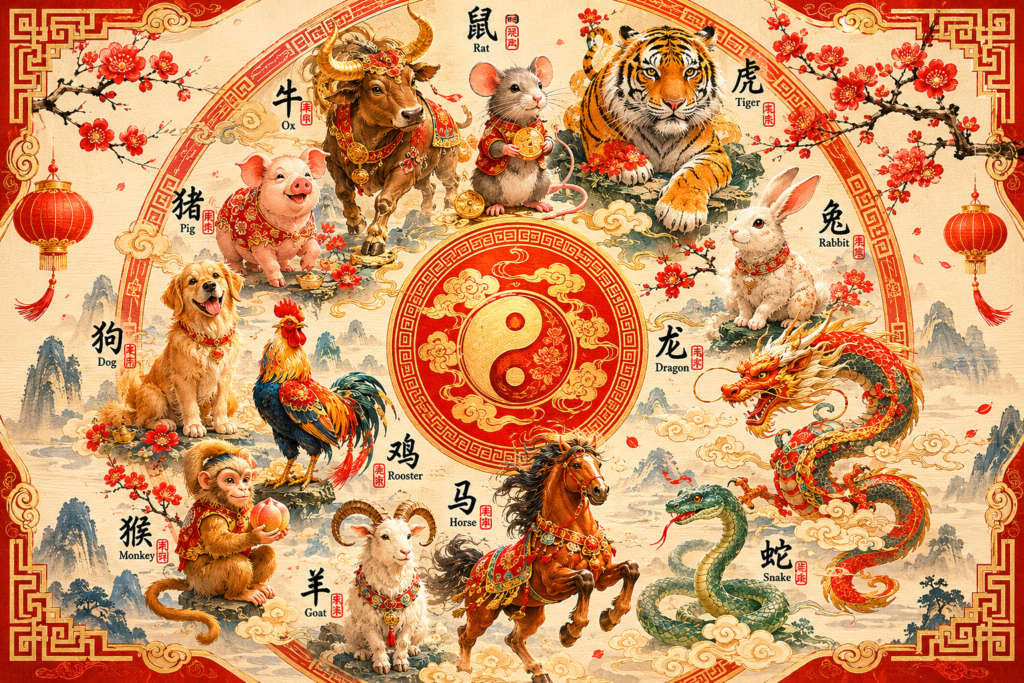
Every month brings a different rhythm in traditional Chinese culture. While many people associate the Chinese Zodiac only with birth years, each lunar month also carries its own symbolic energy that influences reflection, planning, and personal growth. This July invites balance, patience, and steady progress. Rather than predicting the future, traditional Chinese zodiac wisdom encourages us to observe life’s changing cycles and make thoughtful decisions. Disclaimer: This article explores traditional Chinese cultural beliefs and folklore for educational and entertainment purposes. It is not intended as scientific, financial, legal, or medical advice. Find Your Chinese Zodiac Sign Zodiac Birth Years Rat 1960, 1972, 1984, 1996, 2008, 2020 Ox 1961, 1973, 1985, 1997, 2009, 2021 Tiger 1962, 1974, 1986, 1998, 2010, 2022 Rabbit 1963, 1975, 1987, 1999, 2011, 2023 Dragon 1964, 1976, 1988, 2000, 2012, 2024 Snake 1965, 1977, 1989, 2001, 2013, 2025 Horse 1966, 1978, 1990, 2002, 2014 Goat 1967, 1979, 1991, 2003, 2015 Monkey 1968, 1980, 1992, 2004, 2016 Rooster 1969, 1981, 1993, 2005, 2017 Dog 1970, 1982, 1994, 2006, 2018 Pig 1971, 1983, 1995, 2007, 2019 🐀 Rat Horoscope July encourages Rats to slow their pace and focus on maintaining balance. You may discover new opportunities at work, but careful planning will produce better results than quick decisions. Career: Stay organized and avoid unnecessary risks. Relationships: Honest conversations strengthen trust. Wellness: Prioritize rest and avoid burnout. Lucky Focus: Patience and consistency. 🐂 Ox Horoscope Steady progress defines your month. Your reliability earns appreciation from colleagues and loved ones. Career: Continue building long-term projects. Relationships: Small gestures create meaningful connections. Wellness: Spend time outdoors to recharge. Lucky Focus: Persistence. 🐅 Tiger Horoscope July brings fresh inspiration. New ideas may arrive unexpectedly, making it a favorable time for learning or creative work. Career: Explore new opportunities while remaining practical. Relationships: Listen before reacting. Wellness: Balance activity with relaxation. Lucky Focus: Creative thinking. 🐇 Rabbit Horoscope A peaceful month favors self-care and emotional balance. Instead of chasing rapid change, focus on strengthening your foundations. Career: Complete unfinished tasks before beginning new ones. Relationships: Quality time matters more than grand gestures. Wellness: Meditation or quiet reflection brings clarity. Lucky Focus: Inner harmony. 🐉 Dragon Horoscope Your confidence attracts opportunities, but humility remains your greatest strength this month. Career: Leadership opportunities may appear. Relationships: Encourage teamwork instead of competition. Wellness: Avoid overcommitting yourself. Lucky Focus: Balanced ambition. 🐍 Snake Horoscope July invites careful observation. Taking time to evaluate situations before acting helps prevent unnecessary setbacks. Career: Double-check important decisions. Relationships: Open communication prevents misunderstandings. Wellness: Maintain healthy routines. Lucky Focus: Wisdom. 🐎 Horse Horoscope Your energy gradually returns, making this an excellent month to begin new personal projects. Career: Confidence supports steady progress. Relationships: Share your ideas with those who support you. Wellness: Physical exercise improves both body and mind. Lucky Focus: Positive momentum. 🐐 Goat Horoscope Gentle progress suits you best this month. Avoid comparing yourself with others. Career: Focus on quality rather than speed. Relationships: Family and close friendships become sources of encouragement. Wellness: Create a calm home environment. Lucky Focus: Gratitude. 🐒 Monkey Horoscope Curiosity opens new doors. Learning something new can lead to unexpected opportunities later this year. Career: Networking proves valuable. Relationships: Humor strengthens connections. Wellness: Maintain a healthy work-life balance. Lucky Focus: Adaptability. 🐓 Rooster Horoscope Attention to detail becomes your advantage. Organizing finances and future plans now creates long-term stability. Career: Careful preparation pays off. Relationships: Appreciate the support around you. Wellness: Establish consistent daily habits. Lucky Focus: Discipline. 🐕 Dog Horoscope July encourages loyalty—to both others and yourself. Protect your time and energy by focusing on what truly matters. Career: Collaboration brings better results than working alone. Relationships: Be open to meaningful conversations. Wellness: Make time for relaxation. Lucky Focus: Trust. 🐖 Pig Horoscope Optimism attracts positive experiences throughout the month. Small acts of kindness create lasting rewards. Career: Stay open to new responsibilities. Relationships: Express gratitude more often. Wellness: Enjoy simple pleasures that reduce stress. Lucky Focus: Generosity. Traditional Chinese Zodiac as Cultural Wisdom The Chinese Zodiac has been part of Chinese culture for more than two thousand years. Beyond fortune-telling, it symbolizes the changing rhythms of nature, personal reflection, and the importance of living in harmony with the seasons. Many people use monthly zodiac guidance as a reminder to: Rather than predicting exact outcomes, these traditions encourage thoughtful living and intentional choices. Discover Traditional Chinese Cultural Art At Mystylord, we celebrate traditional Chinese folk art and cultural symbolism through handcrafted artwork inspired by centuries of artistic heritage. Explore our collections featuring: Each piece is designed to honor the beauty of traditional Chinese craftsmanship while bringing meaningful cultural inspiration into modern living. Frequently Asked Questions Is the Chinese Zodiac scientifically proven? No. The Chinese Zodiac is part of traditional Chinese folklore and cultural heritage. Many people enjoy it as a form of cultural reflection and personal inspiration rather than scientific prediction. Does my zodiac determine my future? Traditional Chinese culture views the zodiac as symbolic guidance rather than certainty. Personal choices, effort, and circumstances remain the most important influences in life. How often do Chinese Zodiac predictions change? General guidance is commonly shared yearly, monthly, weekly, and daily according to the traditional Chinese lunar calendar.
July Chinese Zodiac Horoscope: Monthly Guidance for All 12 Zodiac Signs Read More »