Traditional Chinese art is rich with symbolic imagery that reflects centuries of cultural history, storytelling, and decorative craftsmanship. From ancient folk paintings to modern decorative artwork, symbols have long been used to represent ideas such as harmony, prosperity, longevity, and balance.
Today, many traditional Chinese symbols continue to inspire contemporary art, home decor, and collectible cultural designs around the world.
The Role of Symbolism in Chinese Art
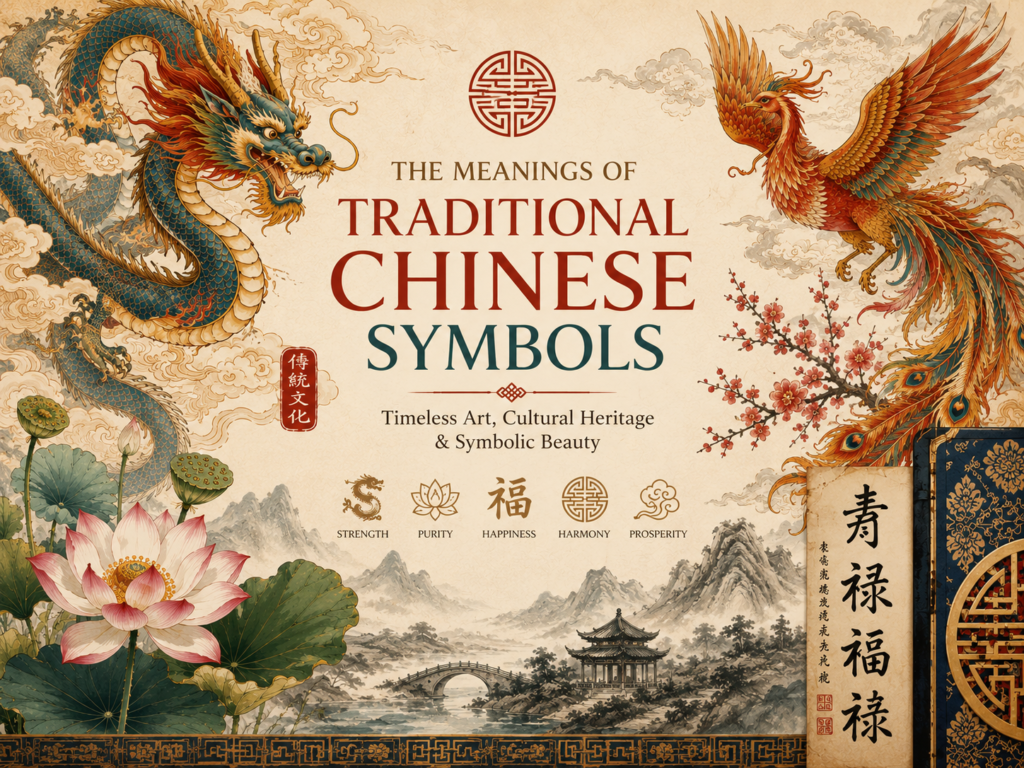
Symbolism has always played an important role in traditional Chinese visual culture. Rather than serving only decorative purposes, many artistic motifs were created to communicate cultural values and historical themes.
Traditional symbols often appeared in:
- Folk paintings
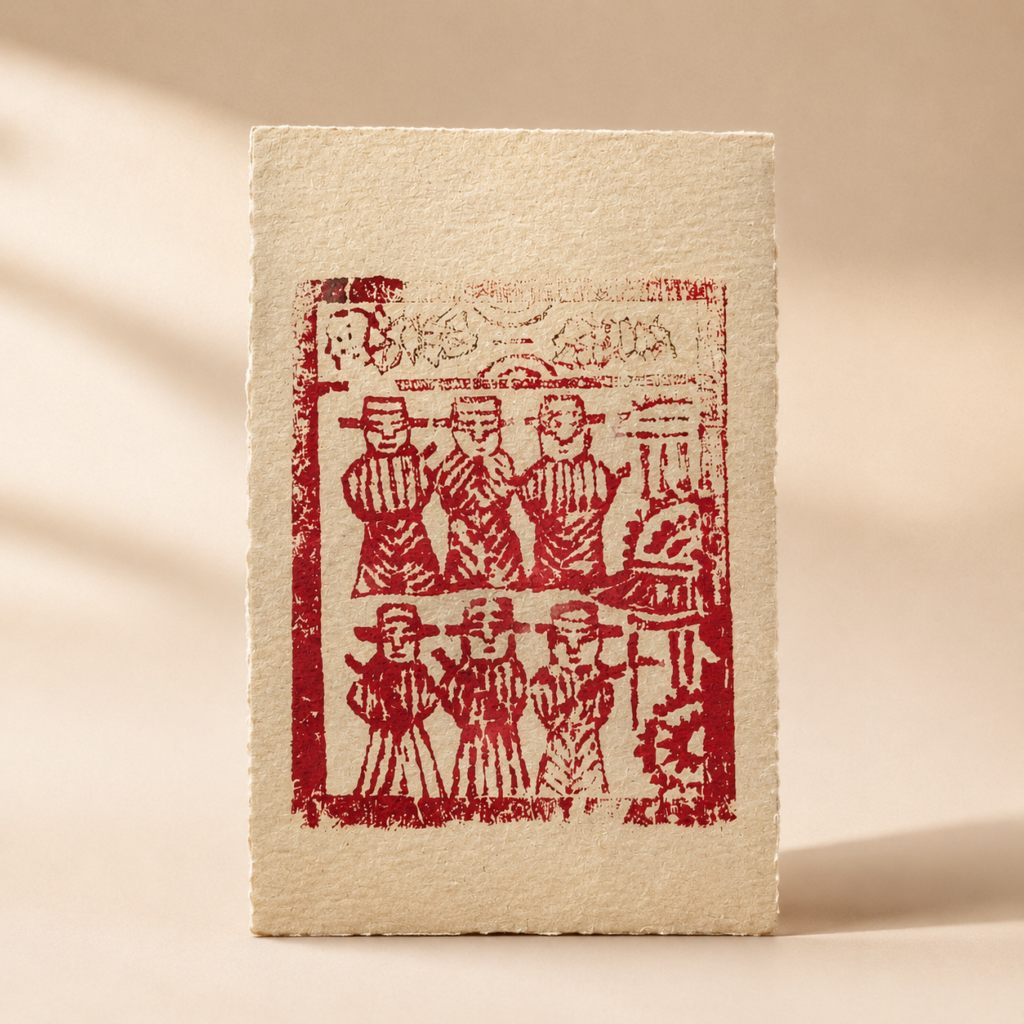
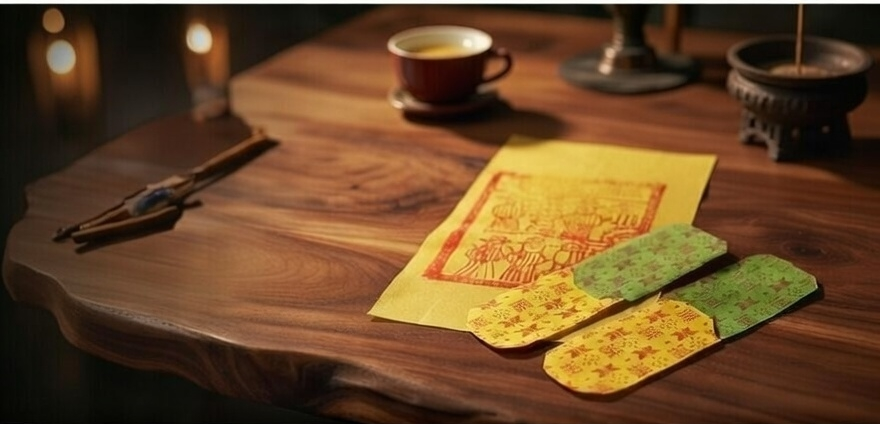
- Woodblock prints
- Decorative textiles
- Ceremonial art
- Architectural ornamentation
These designs became part of everyday artistic expression across generations.
Common Traditional Chinese Symbols and Their Meanings
Dragons
The dragon is one of the most recognizable symbols in Chinese art. Historically, dragons represented strength, authority, wisdom, and harmony with nature.
Dragon imagery frequently appears in:
- Traditional paintings
- Ceremonial textiles
- Decorative carvings
- Architectural design
Today, dragon-inspired artwork remains popular in both traditional and modern decor.
Phoenix
The phoenix symbolizes elegance, renewal, and balance in traditional Chinese artistic culture. It is often paired with dragon imagery to represent harmony and unity.
Phoenix motifs are commonly seen in decorative art and ceremonial designs.
Lotus Flower
The lotus flower is widely appreciated in East Asian art for its graceful appearance and cultural symbolism.
In traditional artwork, the lotus often represents:
- Purity
- Harmony
- Inner calm
- Natural beauty
Lotus imagery is especially popular in wall art and Zen-inspired decor.
Traditional Calligraphy Symbols
Chinese calligraphy is considered both a literary and visual art form. Many traditional artworks include stylized characters representing themes such as:
- Happiness
- Harmony
- Longevity
- Prosperity
These calligraphic symbols are often used in decorative prints, scroll artwork, and cultural collectibles.
Geometric and Folk Patterns
Traditional Chinese folk art also includes repeating geometric patterns and symbolic border designs.
These patterns are commonly inspired by:
- Nature
- Ancient architecture
- Festival traditions
- Historical decorative arts
Such motifs continue to influence modern textile and print design today.
Symbolic Art in Modern Home Decor
Traditional Chinese symbols remain popular in contemporary interior design and decorative artwork.
Many people use symbolic art as:
- Wall decor
- Cultural collectibles
- Artistic gifts
- Decorative accents for meditation or study spaces
These artistic traditions continue to inspire modern designers while preserving historical visual culture.
Traditional Symbolism and Cultural Appreciation
Understanding traditional Chinese symbols helps deepen appreciation for East Asian artistic heritage. Many historical motifs carry layered meanings shaped by centuries of craftsmanship and cultural storytelling.
Today, collectors and art enthusiasts around the world continue to value these timeless artistic traditions for their beauty, symbolism, and cultural significance.
Explore Traditional Cultural Artwork
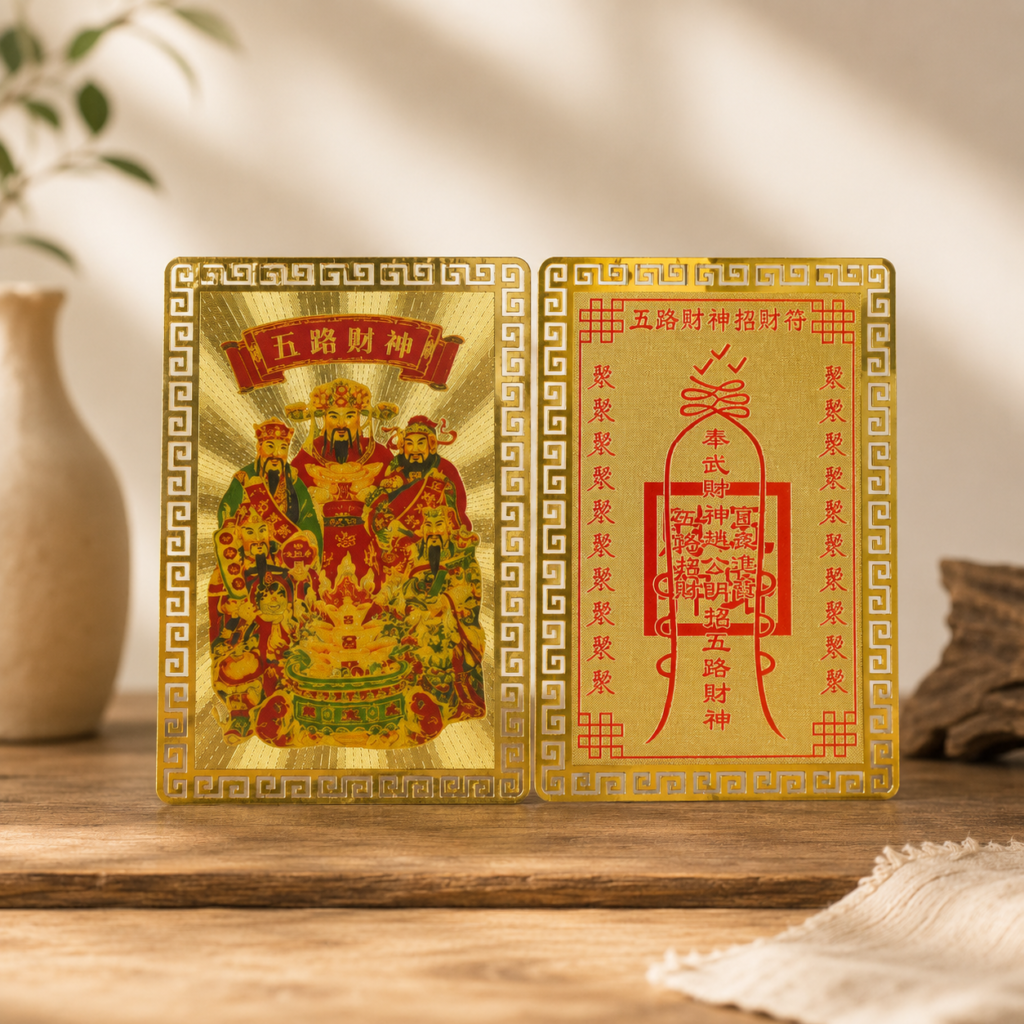
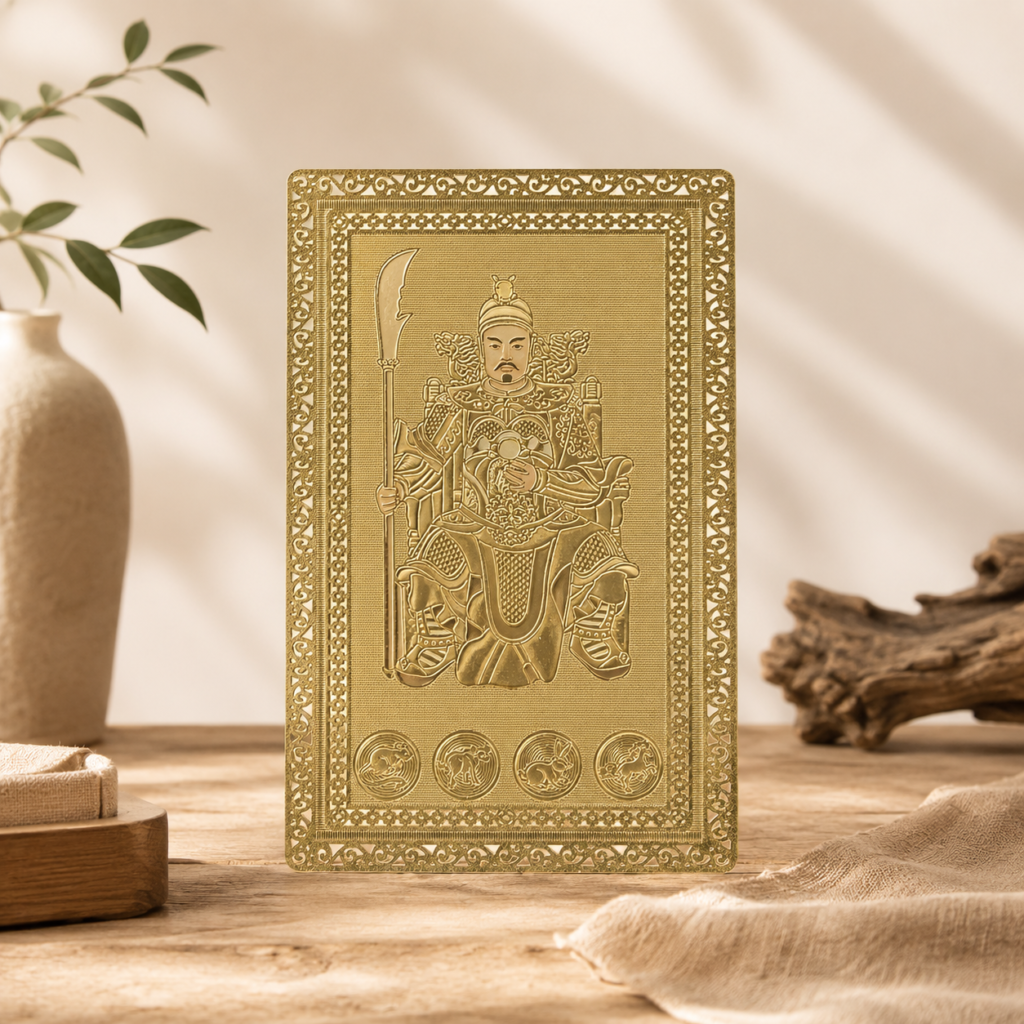
At MystyLord, we create decorative artwork inspired by traditional Chinese symbolism and folk art traditions.
Explore our collections of:
- Cultural art cards
- Traditional block print artwork
- Folk-inspired decorative designs
- Printable cultural art
Each piece is designed for artistic appreciation, decorative display, and cultural collection purposes.
Final Thoughts
Traditional Chinese symbols remain an enduring part of global art and design culture. Their elegant forms, historical roots, and artistic meanings continue to inspire decorative artwork, modern interiors, and cultural collections worldwide.
As interest in traditional cultural art grows, these symbolic designs continue to connect modern audiences with centuries of artistic heritage.